
Crops · Wheat

Wheat

Winter wheat runs through two growing seasons. A weak fall or a missed spring pass costs you bushels you never see.

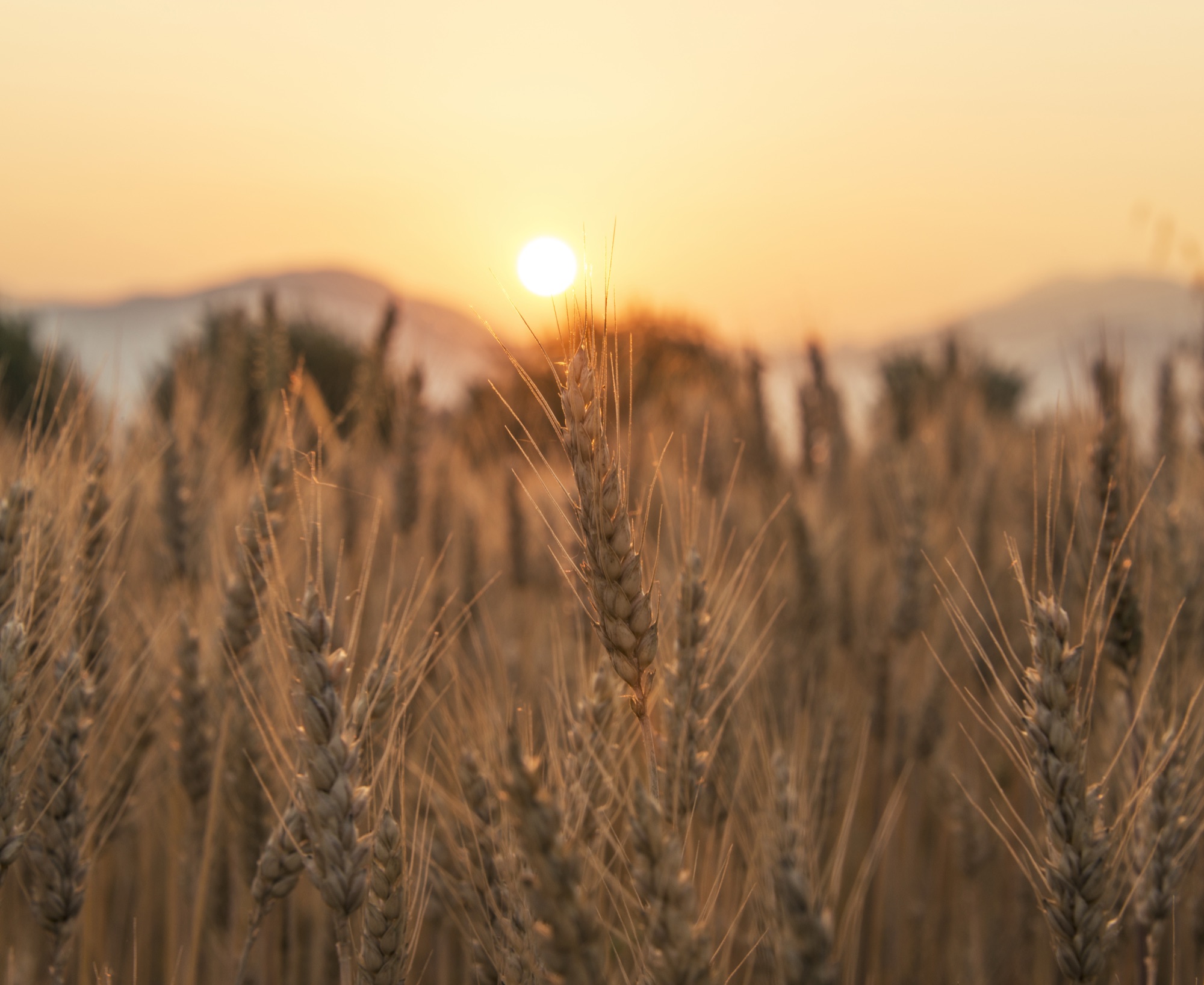
Wheat field

Phosphate at fall planting builds root mass before the crop goes dormant. Miss it and it can't catch up. Come spring, nitrogen at greenup drives tillering and head count. Sulfur supports both yield and protein. The easy mistake is treating wheat like one application — the crop does better with a split program.

Spotting deficiency in the field

The nutrients most likely to limit wheat yield, what each one looks like before you sample, and how to confirm.

Nitrogen diagnostic
photo coming soon

Nitrogen

Spring tillering, head count, grain protein.

What it looks like
Whole plant pale green to yellow. Fewer tillers than expected. In spring the stand looks thin and slow to green up.
Where to look
Lower, older leaves first. Nitrogen moves inside the plant from old growth to new.
When it shows up
Through tillering and jointing in spring. Can show again near flag leaf if nitrogen runs short later.
Confirm with
Tissue test at jointing. A soil nitrate test in early spring helps calibrate your top-dress rate.

Phosphate

Root development, winter survival, tiller formation.

What it looks like
Plants small and dark with a purplish cast on leaf edges and sheaths. Poor fall tillering. In a bad year, winter kill on marginal fields.
Where to look
Young fall plants. If the stand looks weak going into winter, check phosphate.
When it shows up
From emergence through fall tillering.
Confirm with
Soil test before planting. Tissue test in fall if the stand looks thin.
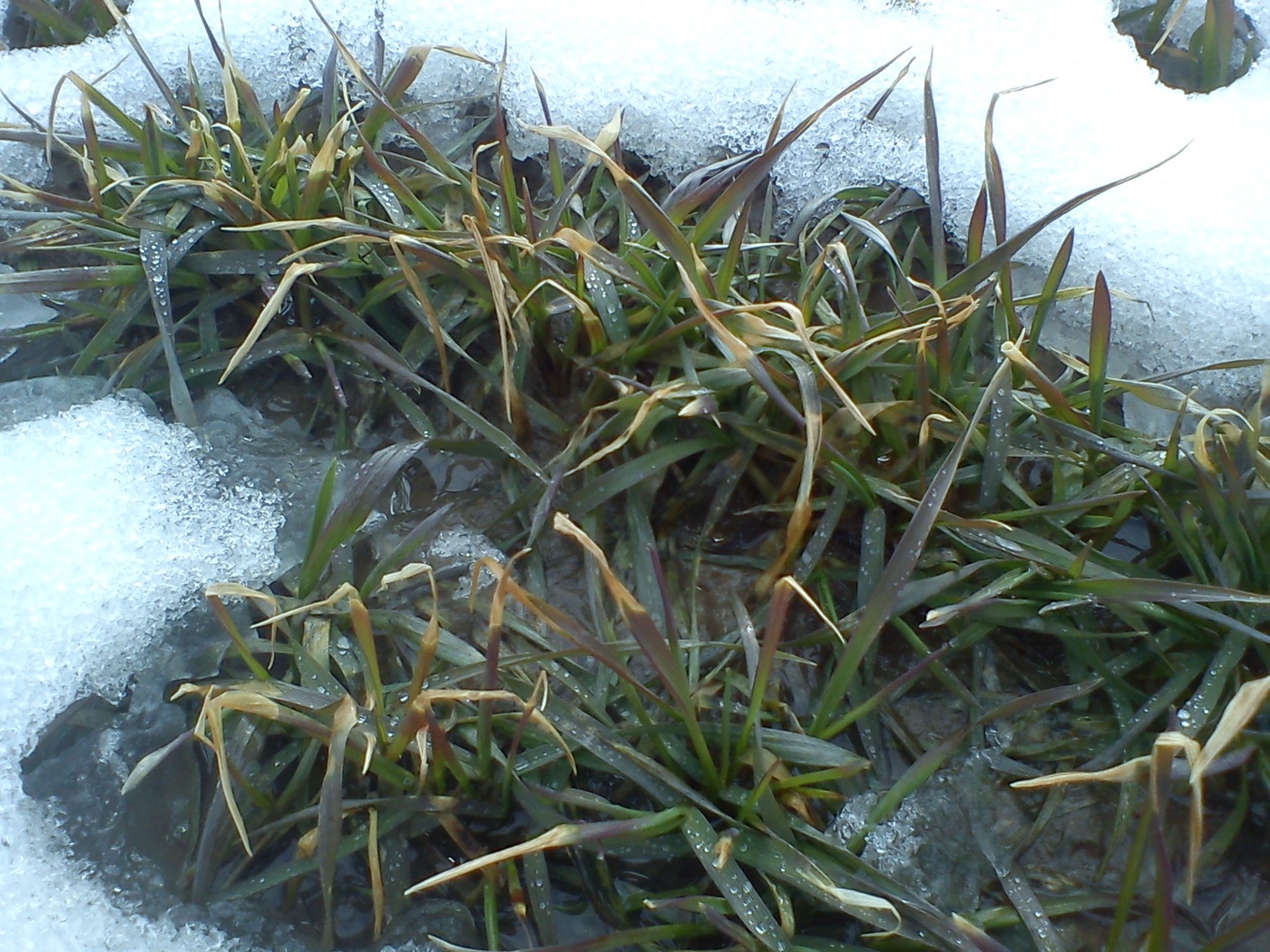
Winter wheat showing phosphorus deficiency symptoms on leaves
Phosphate-short winter wheat: dark leaves with purplish cast.
Sulfur diagnostic
photo coming soon

Sulfur

Protein quality and helping the crop use nitrogen.

What it looks like
Pale yellow-green on newer leaves (unlike nitrogen, which shows on older leaves first). Protein at harvest often disappoints.
Where to look
Newest growth. Sulfur doesn't move inside the plant.
When it shows up
Tillering through stem elongation. More common on sandy fields and after cool wet winters.
Confirm with
Tissue test. Soil sulfur tests aren't very reliable. A high nitrogen-to-sulfur ratio on the tissue report is the usual signal.

Potassium

Stalk strength, lodging resistance, filling the head.

What it looks like
Yellow then brown along the leaf edges. Weak stems that go down after heavy rain.
Where to look
Older lower leaves first.
When it shows up
Through stem elongation and heading.
Confirm with
Soil test. Tissue test at flag leaf.
Potassium diagnostic
photo coming soon

When it isn’t a nutrient problem

Other things to rule out before you tissue-test or change the program.

Winter kill

What you see — Dead patches in spring, usually in low spots or thin parts of the stand.

What to do — Usually traces to late planting, poor fall establishment, or standing water over winter. Count plants in spring — if you're below 18 per square foot, think about terminating or replanting.

Fusarium Head Blight (FHB)

What you see — Bleached or partly bleached heads at flowering. Shrivelled kernels at harvest.

What to do — A fungicide at flowering is the main tool. Variety tolerance and rotating out of corn both help. Test grain for DON — it affects marketability.

Lodging

What you see — Plants laid flat in circles or strips, usually after heavy rain.

What to do — Usually a combination of too much early nitrogen, high population, and weak potassium. Back off the early top-dress on high-yield fields.

Frost heaving

What you see — Plants pushed up out of the soil with roots exposed after a freeze-thaw cycle.

What to do — Drainage is the real fix. On fields with history, plant a little deeper (up to an inch and a half) and don't push lush fall growth.

Slow spring greenup

What you see — Stand slower to wake up than neighbouring fields. Pale colour through early spring.

What to do — Usually cold soil and low available nitrogen. Top-dress earlier than you'd prefer — wheat uses it as soon as the ground thaws.

The program, at a glance

Rates and timing for wheat. We’ll match the specific product to what’s available for your season.

Fall planting
MicroBoost broadcast at about 0.5 tonnes per acre

Wheat needs phosphate before it goes dormant. A wide broadcast at planting puts P across the field where roots are forming — miss this and the crop can't catch up in spring.

Spring greenup
Broadcast at about 2.5 tonnes per acre

Balanced nutrition as the crop breaks dormancy. Drives tillering and head count.

Flag leaf (optional)
Extra nitrogen on high-yield fields

Supports grain protein. Worth it only on fields pushing top-end yields.

What changes by soil

Same crop, different ground — emphasis, placement, and timing shift.

Sandy

Sandy soil can't hold fall nitrogen through winter. Lean on products with organic matter, and broadcast phosphate at fall planting to set up roots before dormancy.

Clay

Cold clay releases nitrogen slowly in spring — a bigger top-dress at greenup is usually needed. Broadcast phosphate at fall planting at a higher rate to push through clay's tie-up.

Loam

Loam handles a classic split program well: fall phosphate for roots, spring broadcast for tillering. Watch potassium on high-yielding fields.

Be the next happy customer

"Great customer service. They answer questions quickly and communicate well from sales to field operators. Delivery was fast and applied right away. Great to work with!"

Talk to someone who knows your area

Our advisors live in Southwestern Ontario and farm here too. Reach out by phone or email.

Brent Veens
Brent Veens
Product Advisor
brent@lasalleagri.com
Matheus Finato
Matheus Finato
Product Advisor
matheus@lasalleagri.com

From the Knowledge Hub

Longer reads on the same topics.

Bring us your soil tests — we’ll build the program around them.

Send your most recent reports and rotation plan. We’ll match what’s available for your season to your fields and walk you through rates, timing, and placement.

Talk to our team
Image credits

Photos on this page come from Wikimedia Commons under public domain or Creative Commons licenses. Each is attributed to its author and linked to the source.

Images are for reference and may not match your exact field conditions. Always confirm a suspected deficiency with a soil or tissue test before treating. We do not imply endorsement by the photographers.