Why Biomass Matters for Your Farm and How to Measure It
Understanding biomass
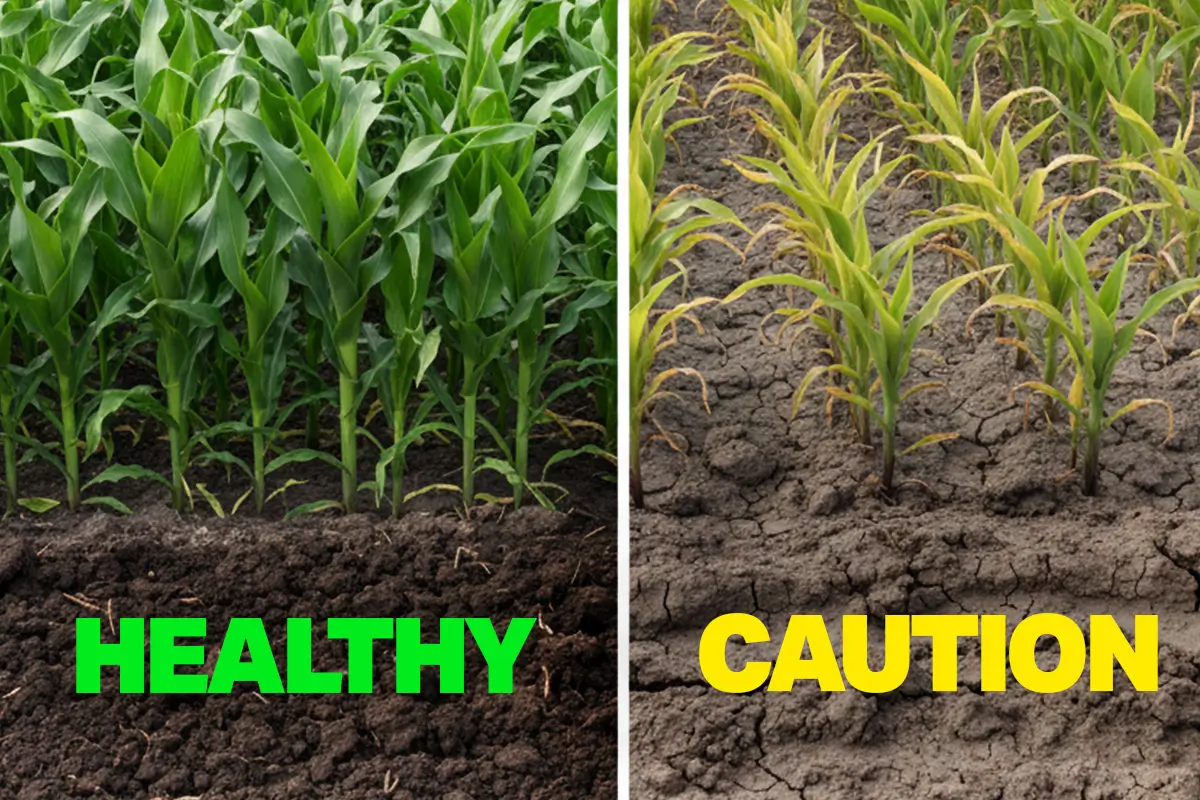
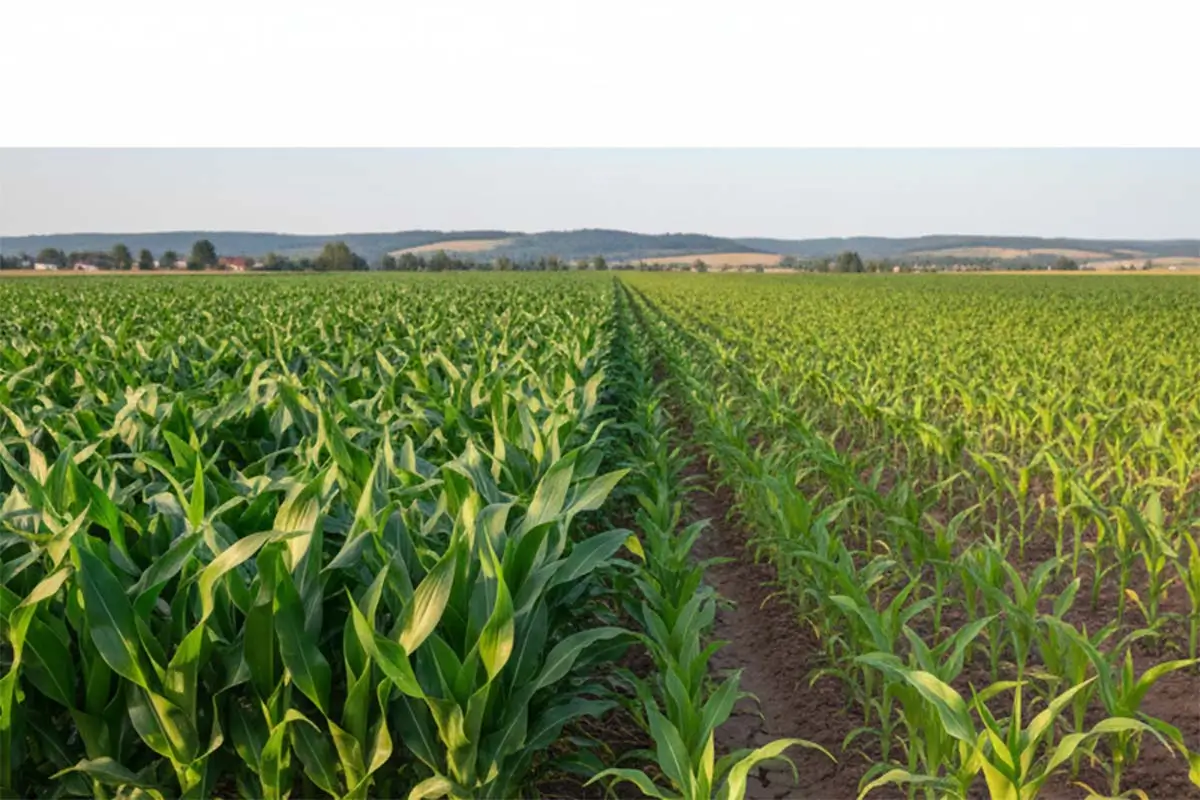
Biomass is just the total amount of living plant material in your field. When farmers talk about a crop having good biomass, they mean it looks full, healthy, and vigorous. There is plenty of leaf area, the canopy closes nicely, and the plants are using sunlight to grow the way they should.
Biomass matters because it tells you the story of your crop. It shows how well the plants are feeding, how healthy the soil is, and how much yield potential the field is carrying. If biomass is low, the crop is struggling for a reason. Nutrients might be off, the soil structure might be tight, or the roots might not be developing the way they should.
Agronomy groups like WinField United explain that biomass gives a quick read on plant health and nutrient efficiency, which supports better yield potential. Cover crop studies also point out that strong biomass is linked with better soil structure, more organic matter, and healthier microbial activity in the long run.
In simple terms, biomass is the crop's report card.
How farmers measure biomass in the real world
You do not need fancy sensors or equipment to get a feel for biomass. The most common and reliable way farmers check it is by walking their fields. You look at canopy height, thickness, leaf color, and overall plant density. Your eyes pick up more than you might realize.
If you want a more accurate test, you can do what agronomists call a clipping sample. You cut plants from a small square of known size, weigh them, dry them, and weigh them again. This gives you a true dry matter reading. It is not something you need to do every day, but it is a solid tool when you want a real number.
Some farmers pair field checks with photos or visual notes across different stages. This helps them see trends over time. You can tell whether the crop is improving, stalling, or falling behind.
Satellite imagery and NDVI (Normalized Difference Vegetation Index) are technologies often used in measuring biomass, however these technologies used by themselves may miss blind spots and may not be accurate. Farmers use a mixture of technology and on-field sampling to achieve the highest accuracy in numbers and when making decisions on improving it.
At the end of the day, biomass measurement is mostly about paying attention. Your crop tells you how it is feeling long before yield is lost.
What causes poor biomass and how to fix it
When biomass is low, there is always a reason. The crop is trying to tell you something.
The deeper causes of poor biomass
1. Nutrients are present but unavailable
Many fields test high for nutrients, yet the plants cannot actually use them. This happens when nutrients are tied up in the soil due to pH issues, low organic matter, or weak biological activity. The nutrients sit there, but the crop starves. This is one of the biggest hidden causes of poor biomass.
2. Soil structure has been damaged over time
Years of tillage, heavy machinery, and lack of organic inputs slowly break down soil structure. The soil becomes tight, layered, or cloddy. Water cannot move well, oxygen gets limited, and roots hit physical barriers. Even if fertilizer is applied correctly, a crop growing in poor structure cannot build strong biomass.
3. Compaction restricts rooting
Compaction is one of the hardest problems to see but one of the easiest to feel. A compacted layer forces roots to grow sideways instead of down. Shallow roots mean shallow biomass. Crops in compacted soils often look fine early on but fall behind quickly once moisture or nutrient demand increases.
4. Low organic matter weakens the entire system
Organic matter is the engine of a healthy soil. When levels are low, the soil cannot hold water, cannot hold nutrients, and cannot support strong microbial life. Biomass suffers because the soil simply does not have the sponge or the pantry that crops rely on.
5. Soil biology is tired or inactive
Microbes release nutrients, break down organic material, and support root development. When biology is depleted from years of salt fertilizers, aggressive tillage, or lack of carbon, nutrient cycling slows to a crawl. Even a well fertilized field can show poor biomass if soil biology is weak.
6. Early season stress sets the crop back
Cold soils, wet soils, and sudden temperature swings limit early rooting. A crop that gets stressed early often never catches up. Early season conditions can reduce the hormonal signals that drive biomass growth later in the season.
7. Tillage has broken soil down faster than it can rebuild
Every pass of the tillage tool reduces aggregates and burns organic carbon. Over time, this leads to crusting, erosion, compaction, and loss of structure. The field becomes dependent on perfect weather to perform. Biomass is one of the first things to suffer.
8. Poor seedbed preparation or uneven emergence
If seeds do not get consistent moisture, proper contact, or an even start, the whole field becomes uneven. Weak areas remain weak all season, dragging biomass down across the board.
Common symptoms of poor biomass include:
- Weak root development
- Soil compaction
- Nutrient shortages
- Poor soil biology
- Low organic matter
- Cold or wet early season conditions
While weather is out of our hands, nutrient availability and soil health are not. That is where LaSalle Agri's approach comes in.
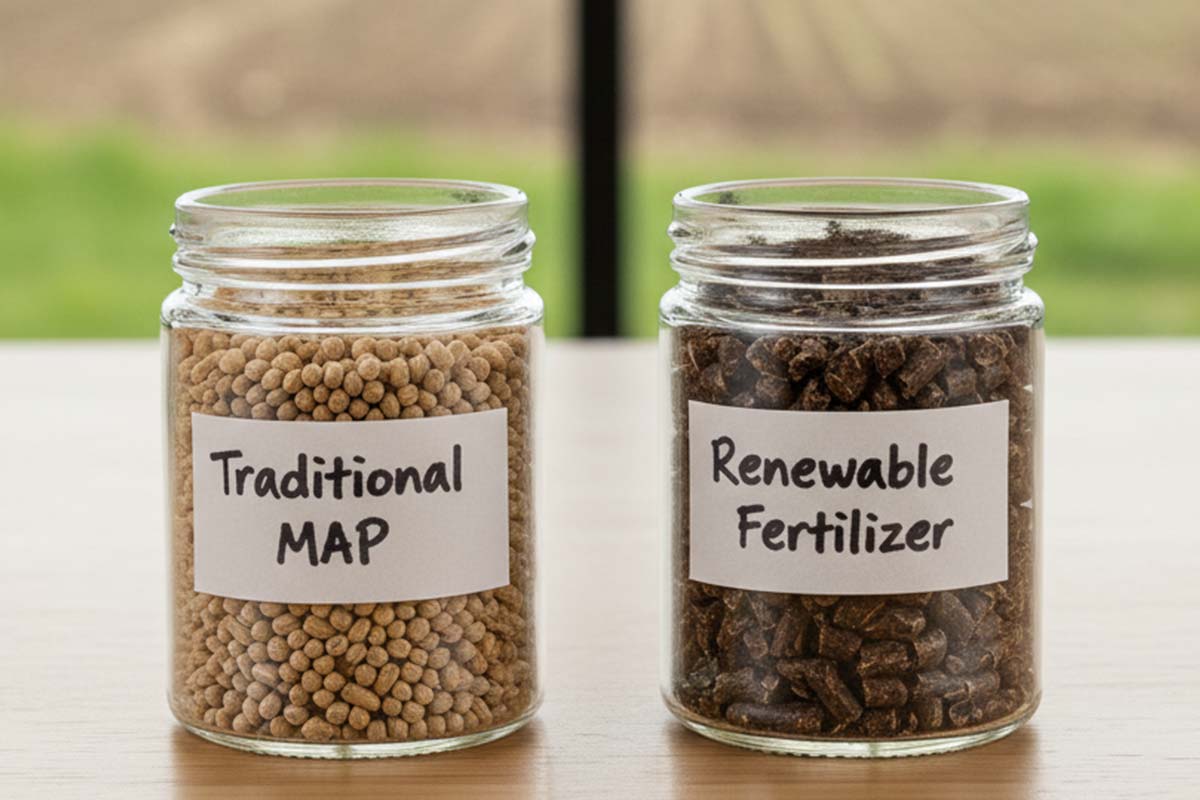
Our fertilizers are designed to feed the soil as much as the crop. Our fertilizers like the Agro Series are rich in organic matter, micronutrients, and slow release nitrogen. These help roots grow deeper, improve soil structure, and support the biology that drives nutrient cycling. When the soil comes alive, biomass improves. You can see it in the canopy and in the overall vigor of the crop.
Farmers who use our products often notice the changes first in emergence and early season growth. Plants stand taller, leaves widen sooner, and the field turns into a thicker, greener carpet. That early jump sets the tone for the entire year.
- Biomass improves when soil health improves.
- Biomass improves when nutrients are available at the right time.
- Biomass improves when the crop finally has what it has been missing.
Our goal at LaSalle Agri is to support that from the ground up. We help rebuild the soil, increase nutrient availability, and give your crop the conditions it needs to grow strong and productive from day one.