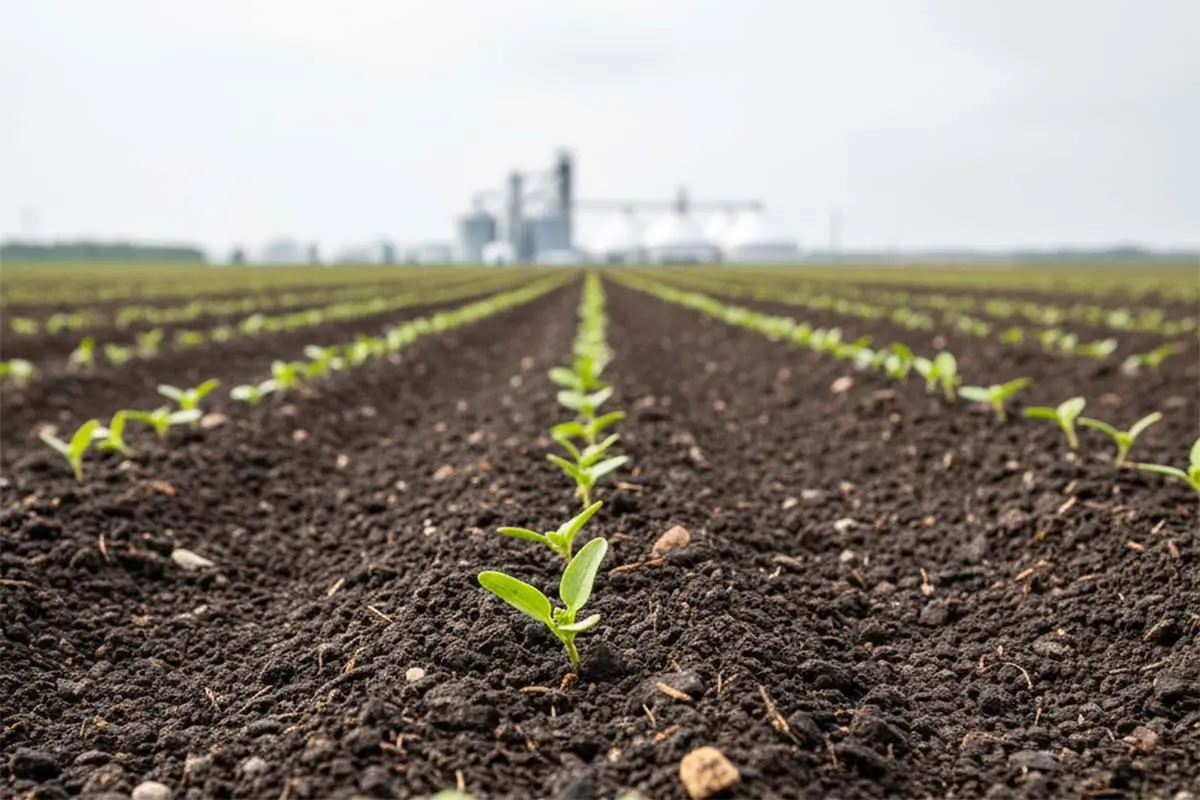
Are Biosolids Fertilizers Safe for my farm?
Are Biosolids Fertilizers Safe for My Farm?
This question comes up a lot, and it’s a fair one. There’s plenty of mixed information online, and farmers just want to know what is safe to put on their land.
Here’s the straightforward answer: raw or untreated biosolids are not something you would apply to farmland. On their own, they are not considered a safe or finished agricultural product. That is why Canada has strict rules around how they can be processed, treated, and used.
In our case, biosolids are only one of the source materials that enter a controlled nutrient recovery process. They go through heat treatment, full pathogen testing, and must meet national standards before anything becomes fertilizer. Once the process is complete, the end product is a CFIA registered fertilizer, not a biosolid or NASM.
So to answer the question clearly:
Untreated biosolids are not safe for farmland.
Fertilizer that has been fully processed and registered through CFIA standards is.
What Most Farmers Want To Know
When growers ask whether the fertilizer is safe, they usually mean:
- Are there pathogens
- Are metal levels safe
- Is this the same as biosolids
- Will my soil be okay long term
Here are the simple answers:
- The final product is not a biosolid
- It is a CFIA registered fertilizer
- Every incoming load is lab tested
- It falls within long term metal loading limits
- It is not regulated as NASM
- It improves soil health over time
How We Ensure the Fertilizer Is Safe
1. Heat Treatment
The nutrient recovery process includes a heat treatment step that eliminates pathogens and stabilizes the material. This is the same principle used in pasteurization and municipal treatment standards across North America.
EPA, WEF, and CWWA all validate heat treatment as one of the safest methods for producing agriculture ready fertilizer.
2. Every Incoming Load Is Tested
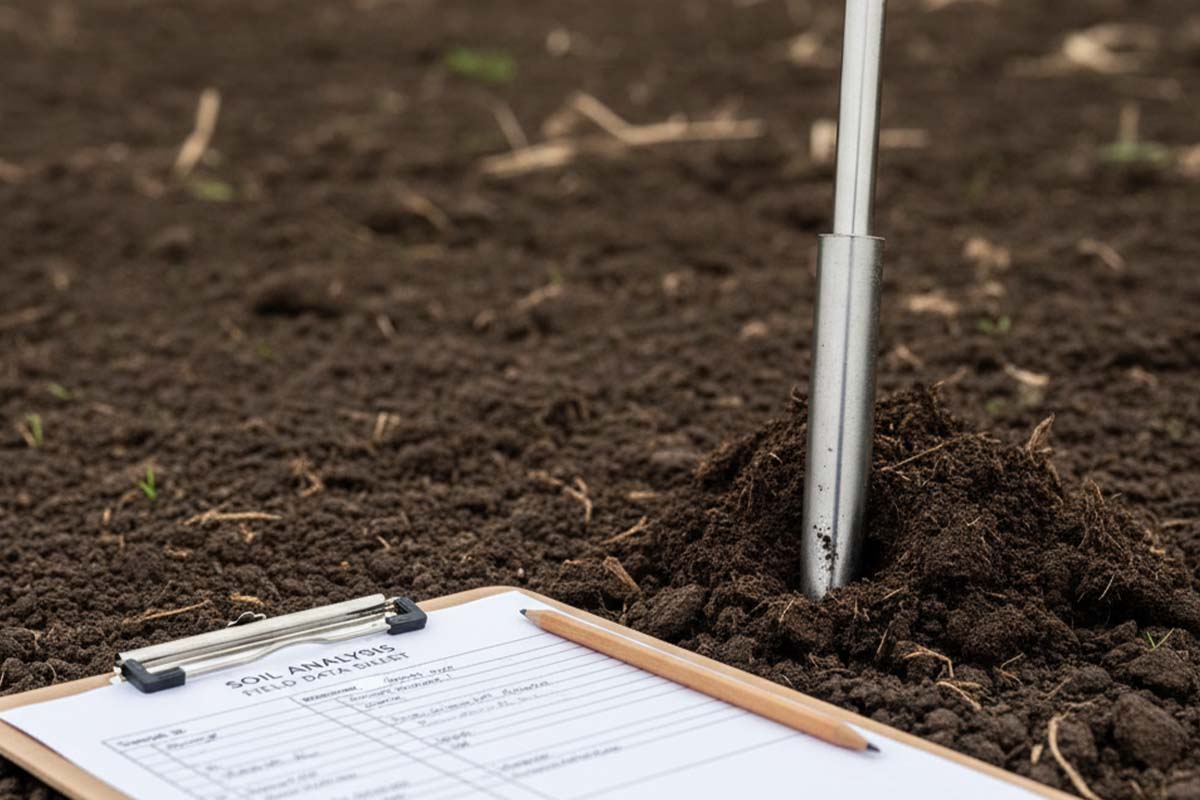
We test every load of incoming source material before it is accepted.
We check for:
- Salmonella
- Metals
- Stability
- CFIA regulated criteria
- E-Coli
If it does not pass, we do not accept it.
This strict rejection-first approach protects farmers long before the product reaches the field.
3. CFIA Registration
Once nutrient recovery is complete, the finished fertilizer is registered with the Canadian Food Inspection Agency.
CFIA registration confirms:
- No pathogens
- Metal levels meet national limits
- The product is approved for agricultural land
- It is not classified as a biosolid or NASM
- It is safe for food-producing farms
CFIA applies the same standards used for all commercial fertilizers sold across Canada.
Ontario Oversight
Two provincial bodies oversee handling and land application:
- MECP (Ministry of the Environment, Conservation and Parks)
- OMAFRA (Ontario Ministry of Agriculture, Food and Rural Affairs)
This oversight ensures environmental protection and proper agricultural practices.
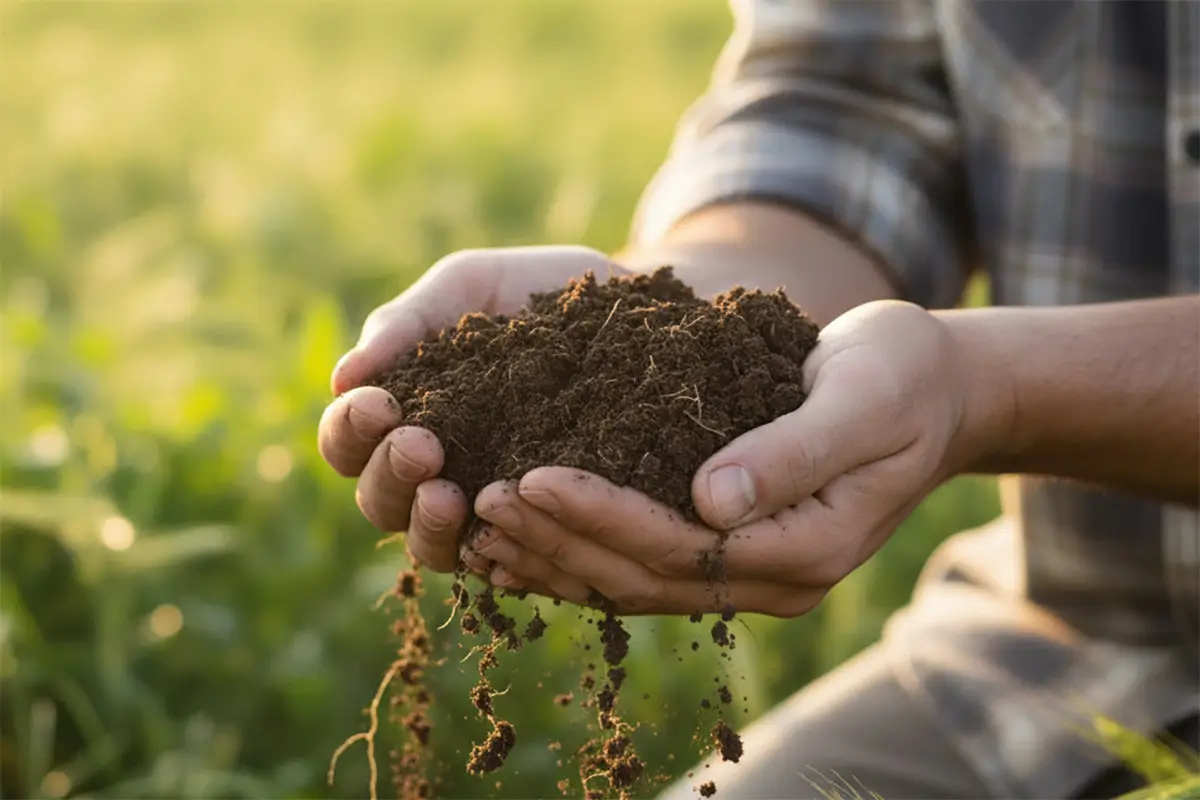
What This Means for Your Soil
The fertilizer supports long term soil strength. Farmers consistently notice:
- stronger soil structure
- improved moisture retention
- added organic matter
- increased carbon levels
- better microbial activity
- reduced salt stress
- safer application rates
What Farmers Tell Us
Real comments we hear at farm shows:
- “My corn Yielded 260 Bushels thanks to AgroBoost.”
- “My ground holds moisture way better now.”
- “Why do you have a marketing guy? the product sells itself!”
Transparency builds trust. We openly share our lab sheets, nutrient analysis, and safety documentation.
Final Thoughts
Safety is not a marketing claim. It is proven through treatment, regulation, and oversight.
The fertilizer made using biosolids as a source material becomes a fully processed, CFIA registered fertilizer that supports long term soil health.