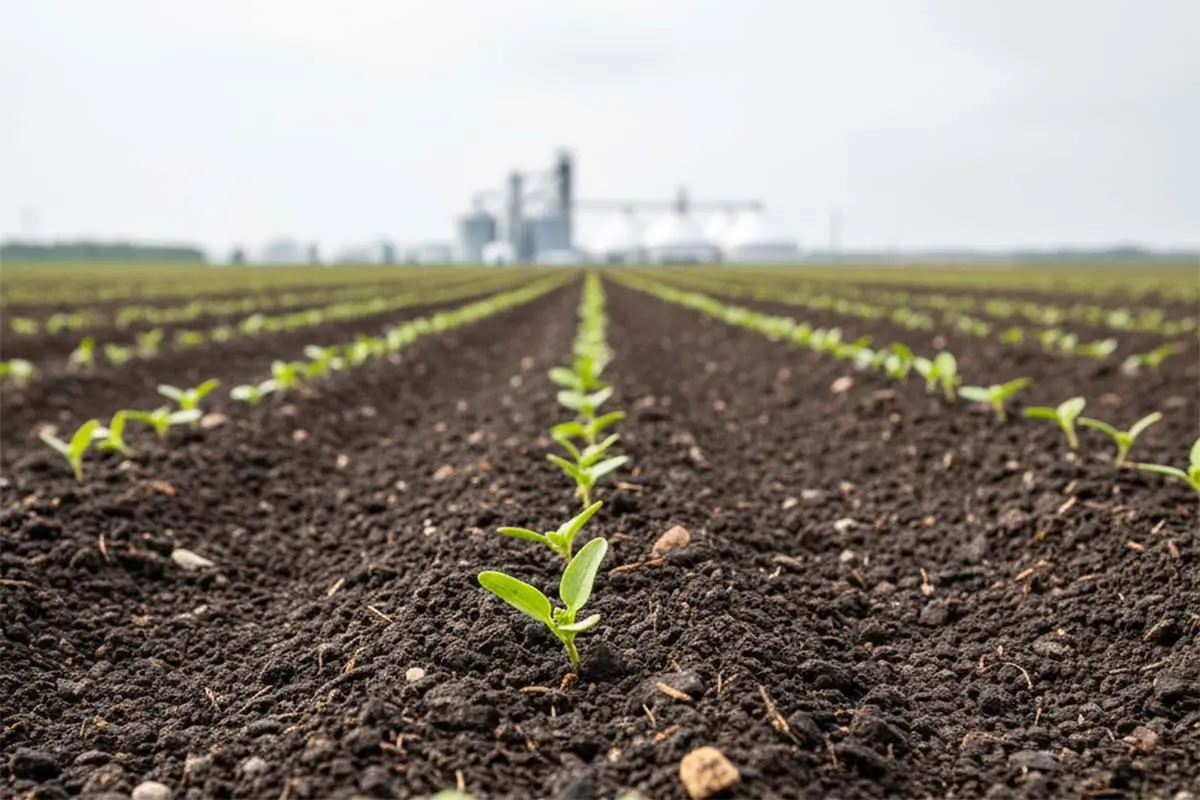
What Soil Tests Are Really Telling You: A Farmer's Guide to Smarter Fertilizer Decisions
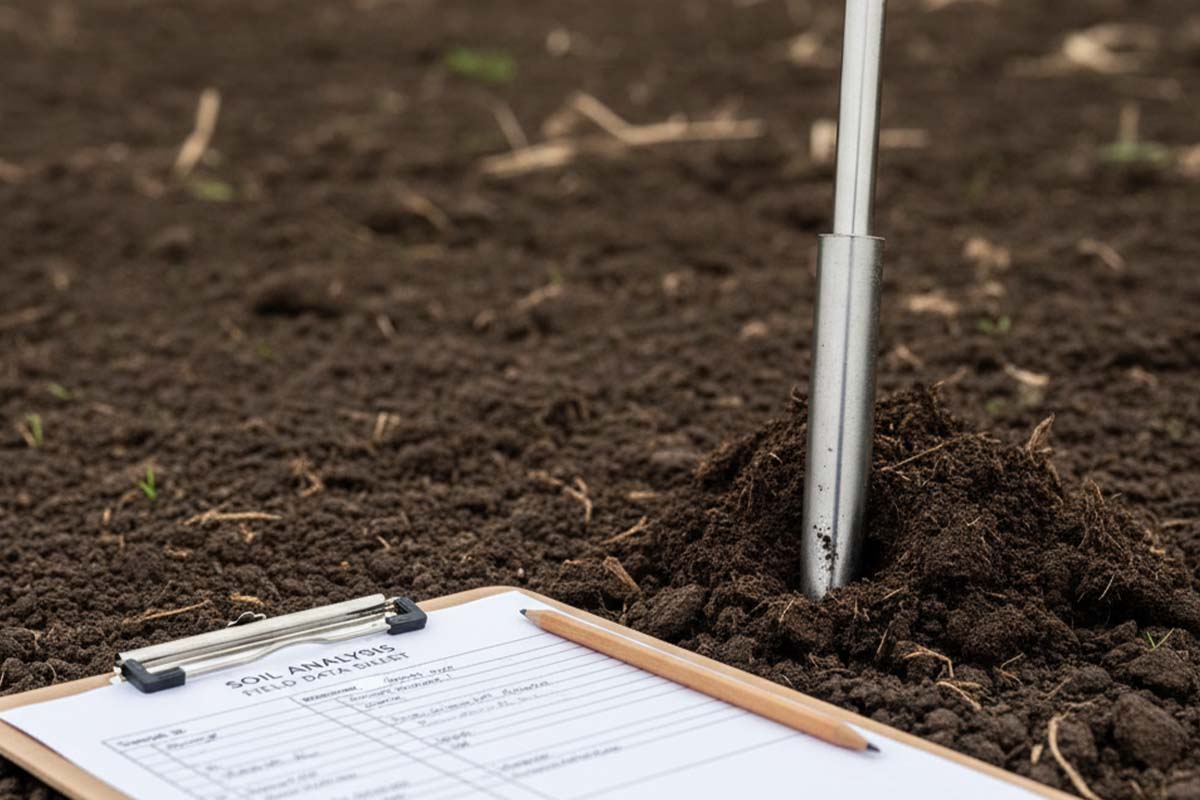
Why Soil Testing Matters More Than Ever
Good yields start long before seed hits the ground. Every crop pulls nutrients out of the soil, and every season weather, crop rotation, and fertilizer choices shift the nutrient balance beneath your feet. A soil test is the single best tool farmers have to understand what’s happening in that system.
But soil test reports can feel overwhelming: numbers, abbreviations, parts per million, percent organic matter, cation exchange capacity. What does any of it really mean? And more importantly, how do you use it to make better, more cost effective fertilizer decisions?
This guide breaks each section down simply and practically.
1. pH: The Foundation of Soil Health
pH affects how available nutrients actually are. Even if your soil contains enough nutrients, poor pH can lock them away.
- Ideal range for most crops: 6.0 to 7.0
- Low pH (acidic): Nutrients like phosphorus become less available. Aluminum toxicity may harm roots.
- High pH (alkaline): Micronutrients like zinc, manganese, and iron become harder for crops to uptake.
Why this matters: If pH is off, applying more fertilizer often won’t fix the problem. Correcting pH offers a better return than overapplying nutrients.
2. Organic Matter: The Engine Behind Soil Performance
Organic matter improves structure, water retention, drainage, and microbial activity. It also influences nutrient cycling and CEC (cation exchange capacity).
- Healthy range: 3 percent to 6 percent depending on soil type
- Low organic matter: Lower water holding capacity, weaker soil structure, higher risk of drought stress
- High organic matter: Greater nutrient buffering and more resiliency under weather extremes
Why this matters: Organic matter directly impacts fertilizer efficiency. Soils with low organic matter often require more precise nutrient planning.
3. Phosphorus and Potassium: The Big Two in Soil Testing
Phosphorus (P)
Phosphorus drives root development, energy transfer, and early crop growth. But it is also one of the easiest nutrients to immobilize in soil.
Soil test will show P as:
- ppm (Bray or Olsen test depending on pH)
- low, medium, optimum, or high ranges provided by your lab
Low P: Expect slower emergence, weaker roots, and reduced yield potential. Supplement needed.
High P: May reduce the efficiency of micronutrients like zinc or cause environmental concerns. Apply cautiously.
Potassium (K)
Potassium supports stress tolerance, water regulation, and stalk strength.
Low K: Leads to lodging, poor grain fill, and reduced drought resistance.
High K: Generally less problematic but can impact magnesium uptake in certain soils.
4. Sulfur and Micronutrients: Small Quantities, Big Impact
While N, P, and K get most of the attention, micronutrients and sulfur play critical roles in yield and quality. Many soils across Ontario and Canada are now deficient in sulfur due to cleaner air regulations reducing atmospheric sulfur deposits.
Key nutrients to watch:
- Sulfur (S): Essential for protein formation and nitrogen efficiency
- Zinc (Zn): Vital for early growth and enzyme functions
- Manganese (Mn): Important in photosynthesis
- Boron (B): Crucial for reproductive development
Micronutrient deficiencies rarely show symptoms early, yet they can quietly reduce yields.
Why this matters: This is where renewable fertilizers like MicroBoost can add value by supplying sulfur and micronutrients in forms that improve soil biology over time.
5. Cation Exchange Capacity (CEC): How Well Your Soil Holds Nutrients
CEC measures the soil’s ability to retain and release nutrients.
- Low CEC (sandy soils): Nutrients leach more easily, requiring split applications or enhanced fertilizers
- High CEC (clay soils): Greater nutrient holding capacity but slower nutrient movement
CEC helps you determine:
- Application timing
- Risk of nutrient loss
- How much nutrient your soil can realistically manage at once
6. Putting It All Together: Turning Soil Data Into Fertilizer Decisions
A soil test is only useful when it guides smarter decisions. Here’s how farmers typically apply the results:
Match nutrient applications to crop removal rates
Know how much each crop removes per acre and compare it with your soil test levels.
Adjust based on yield goals
High yield targets often require nutrient levels at or above the optimum range.
Balance big nutrients with micronutrients
A field may have strong NPK levels but still underperform because of sulfur or zinc shortages.
Rebuild poor soils over time
If organic matter or pH needs adjustment, build a multi year plan to improve your foundation.
Bottom Line
A soil test is more than a set of numbers. It’s a roadmap that tells you exactly where your soil stands today and what it needs tomorrow. When interpreted correctly, it prevents overapplication, improves ROI on fertilizer, strengthens soil health, and protects your land for future generations.